Early Childhood Education

How does early learning influence school readiness?

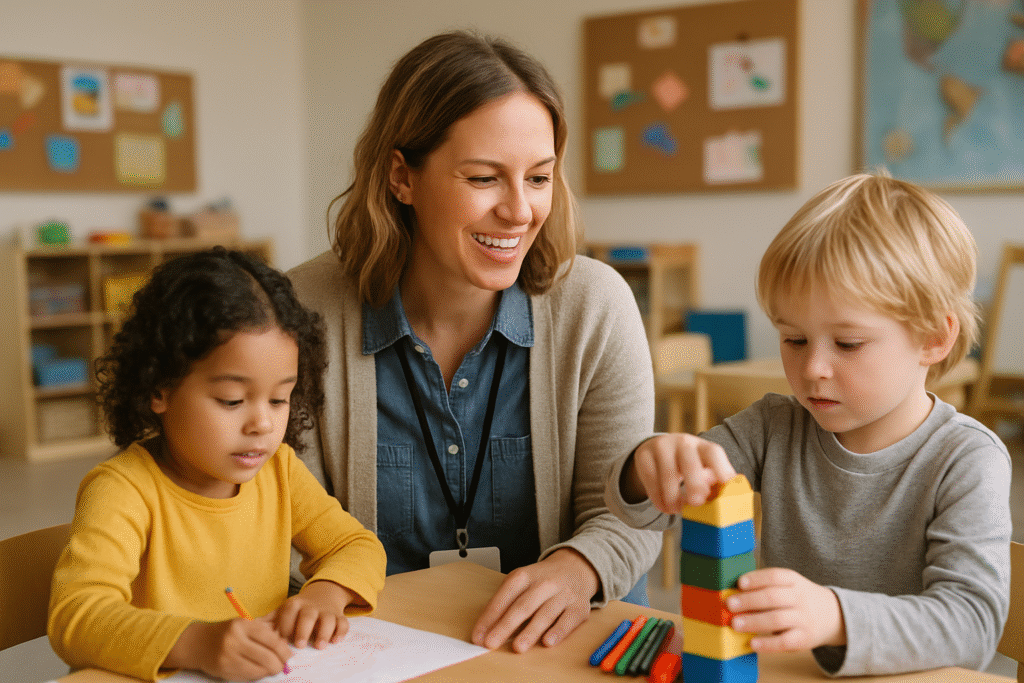
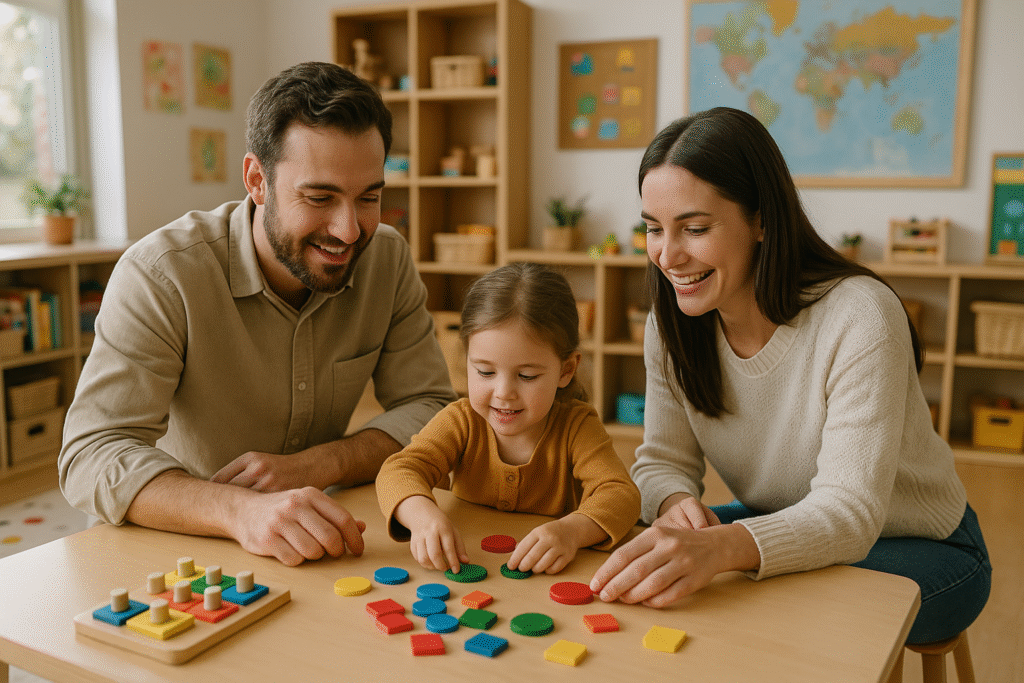
Reading Time: 2 minutesListen, I’ve spent years watching kids grow up. And if there’s one thing I know for sure, it’s that those early years? They’re everything. I’m talking about the difference between a kid who walks into kindergarten ready to learn and one who’s already playing catch-up. And trust me, that gap only gets wider. ## **The First Five Years Are Like Building a House** You wouldn’t build a house on shaky ground, right? Same goes for learning. Those first five years of life – that’s when we’re laying the foundation. Everything that comes after depends on how solid that foundation is. Kids who get quality early learning experiences? They show up to school with: – Better language skills (they actually know how to express what they need) – Social skills that help them make friends – The ability to sit still for more than 30 seconds – Problem-solving skills that don’t involve crying – Confidence to try new things ## **It’s Not Just About ABCs and 123s** Look, I get it. Parents think early learning means drilling flashcards and teaching kids to read at age 3. But that’s not what I’m talking about. Real early learning? It’s about **play**. It’s about exploring. It’s about learning that when you knock over someone’s block tower, they get upset (and that’s called empathy, folks). The best early learning programs – like what they do at Believe Early Learning – they get this. They’re not trying to create mini Einstein’s. They’re helping kids become… well, functional little humans. ## **The Research Doesn’t Lie** I know, I know. “Research” sounds boring. But stick with me here. Studies show that kids in quality early learning programs are: – 25% less likely to drop out of school – More likely to graduate high school – More likely to hold steady jobs as adults – Less likely to need special education services That’s not just numbers on a page. That’s real kids with real futures. ## **What School Readiness Actually Looks Like** Forget what you think you know. A “school-ready” kid isn’t the one who can recite the alphabet backwards while standing on one foot. A school-ready kid is one who: – Can separate from their parents without a meltdown – Knows how to share (most of the time) – Can follow simple instructions – Has the curiosity to ask “why?” – Understands that other people have feelings too These aren’t things you can teach with worksheets. They come from **experience**. From being around other kids. From having teachers who know what they’re doing. ## **The Bottom Line** Here’s what I want every parent to understand: You can’t get these years back. Once they’re gone, they’re gone. Investing in early learning isn’t about keeping up with the neighbors or making sure your kid gets into Harvard. It’s about giving them the tools they need to succeed in school and in life. And yeah, places like Believe Early Learning – they’re doing this work every single day. They’re not just babysitting. They’re building futures. Your kid only gets one shot at being 3, 4, or 5 years old. Make it count. **Because the truth is this:** The kid who shows up to kindergarten ready to learn? That kid has already won half the battle. And it all started years before they ever set foot in a “real” classroom.

How does early learning influence school readiness? Read More »

What is the curriculum used in early childhood education?

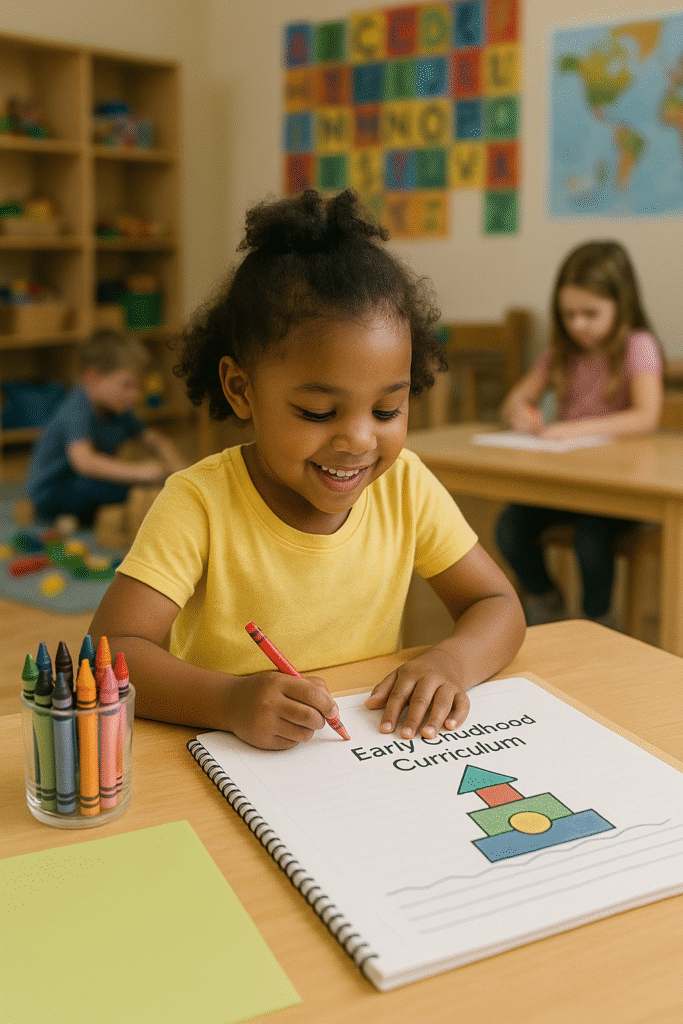
Reading Time: 3 minutesHey there, parents! Bryce here. Let’s talk about something that probably keeps you up at night… what exactly are these teachers doing with your little ones all day? I get it. You drop off your precious 3-year-old and wonder – are they just finger painting and eating goldfish crackers? (spoiler alert: there’s WAY more going on) ## **The Big Players in Early Childhood Curriculum** Okay so here’s the deal. There’s not just ONE curriculum that every preschool uses. It’s kinda like ice cream flavors – lots of options, and honestly? They’re all pretty good in their own way. **Montessori** – You’ve probably heard this one thrown around. Kids choose their own activities, lots of hands-on materials. Think tiny humans pouring water into cups for 20 minutes straight and somehow… learning math? Wild, but it works. **Reggio Emilia** – This one’s all about projects and exploration. Like if your kid finds a dead bug on the playground, suddenly the whole class is studying insects for 3 weeks. Its pretty cool actually. **HighScope** – Plan-Do-Review. That’s their thing. Kids make a plan, do the thing, then talk about it. Sounds simple but man, watching a 4-year-old plan their day is hilarious AND educational. **Creative Curriculum** – This is what a LOT of centers use. Including many right here in town. It’s got everything mapped out – what to teach, when to teach it, how to set up your classroom. Teachers love it cause it makes their job easier. ## **But Wait… What Are They Actually Learning?** Here’s where it gets interesting. No matter what fancy name the curriculum has, they’re all hitting these areas: • **Social skills** (aka learning not to bite your friends) • **Language development** (from “me want cookie” to “may I please have a cookie”) • **Math concepts** (counting, shapes, patterns – yes your 3 year old is doing math!) • **Science exploration** (why is the sky blue? why do worms exist? SO many questions) • **Creative expression** (art, music, dramatic play – dress up corner anyone?) • **Physical development** (gross motor AND fine motor – big movements and tiny finger skills) ## **The Secret Sauce? Play-Based Learning** Look, I’m gonna be real with you. The best early childhood programs? They’re sneaky. Your kid thinks they’re just playing but BAM – they’re learning to count while they’re setting the table in the pretend kitchen. They’re developing problem-solving skills when they figure out how to build a block tower that doesn’t fall over. They’re learning literacy when they “write” a menu for their restaurant (even if it’s just scribbles). **Play IS the curriculum** at this age. Full stop. ## **What Should You Look For?** When you’re checking out programs for your kiddo, here’s my advice: 1. **Ask about their curriculum** – but also watch what’s actually happening in the classrooms 2. **Look for balance** – structured activities AND free play time 3. **Check if they document learning** – good programs track your child’s progress 4. **See if kids look happy** – seriously, happy kids = learning kids ## **The Bottom Line** Your local early learning center probably uses a mix of approaches. And that’s GOOD! Every kid is different. Some need more structure, some need more freedom. The best teachers know how to adapt. What matters most? That your child is in a place where they feel safe, loved, and excited to learn. Where teachers see them as capable little humans (which they are!) and give them opportunities to grow. The curriculum is important, sure. But the magic happens when skilled teachers use it as a guide – not a rulebook. So next time you pick up your kiddo and they’re covered in paint, holding a rock they “discovered,” and telling you about how they built a castle for the classroom guinea pig… know that they’ve been learning. All. Day. Long. And that goldfish cracker? They probably had to count out exactly 10 of them. See? Learning everywhere. 😊 — *Want to see our curriculum in action? Stop by for a tour anytime! We love showing parents how the magic happens.*

What is the curriculum used in early childhood education? Read More »
How do early learning centers benefit child development?

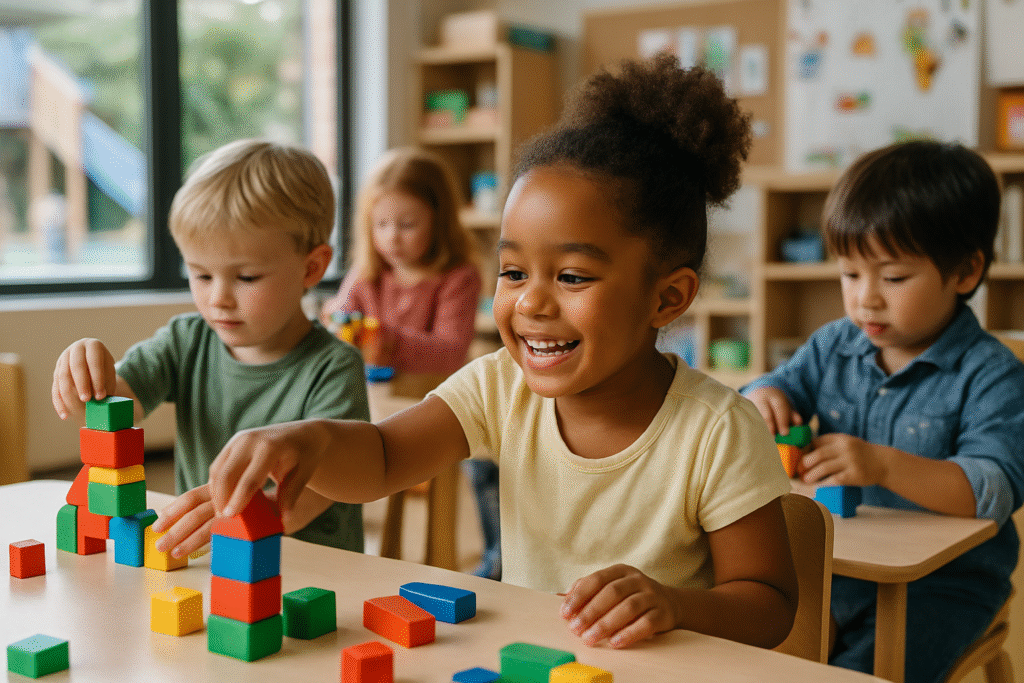
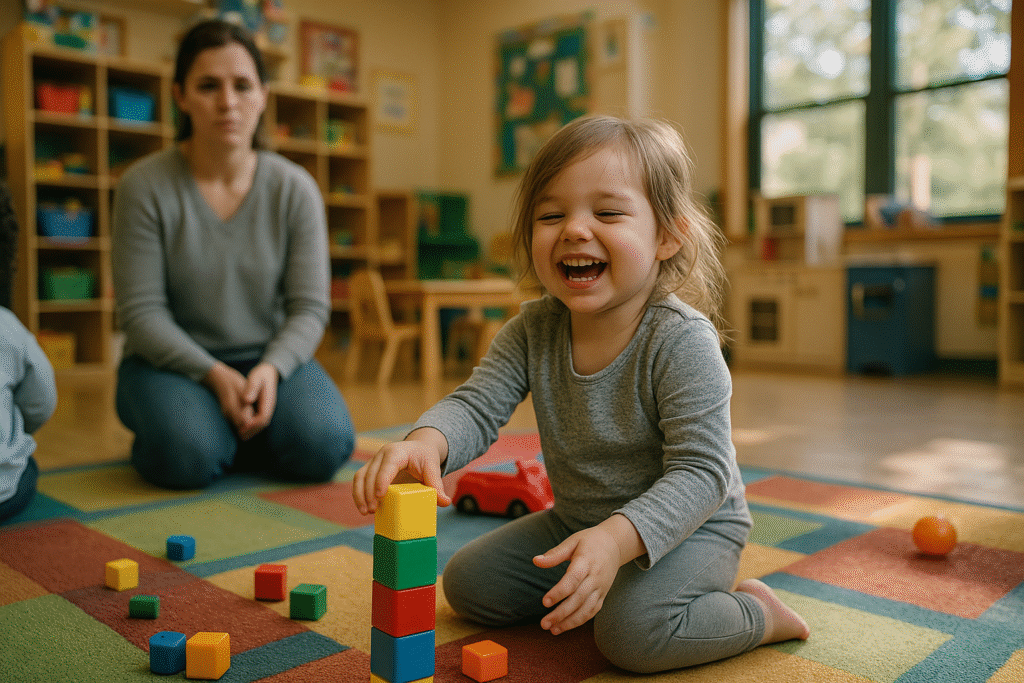
Reading Time: 3 minutesLook, I get it. You’re probably sitting there wondering if an early learning center is really worth it for your little one. Maybe you’re thinking “can’t I just teach them myself?” or “they’ll learn everything in kindergarten anyway, right?” Wrong. And I’m gonna tell you why. ## **The Brain Thing Nobody Talks About** Here’s what blew my mind when I first learned this — 90% of your child’s brain development happens before they turn 5. NINETY PERCENT. That’s not some made-up statistic either. That’s real science. So when people say “oh they’re just playing all day at those centers” … yeah, they’re playing. But that play? It’s literally building their brain architecture. Every block they stack, every song they sing, every messy finger painting — it’s all neural pathways forming. ## **Social Skills (Or Why Your Kid Needs Other Kids)** You know what you can’t teach at home? How to share a toy with someone who isn’t related to you. How to wait your turn when 5 other kids also want the red crayon. How to make friends with someone who doesn’t speak your language yet. I watched my neighbor’s kid go from hiding behind mom’s leg to leading the whole class in some made-up dinosaur game. Took about 3 months. You can’t buy that kind of confidence. ## **The Routine Thing** Kids thrive on routine. Like, they REALLY thrive on it. And let’s be honest — are you gonna do circle time at 9:15 sharp every single morning? Snack at exactly 10:30? Nap time at 12:45 on the dot? Probably not. I know I wouldn’t. But early learning centers? They’ve got this down to a science. And that predictability? It makes kids feel safe. Safe kids learn better. Simple as that. ## **Teachers Who Actually Know What They’re Doing** These aren’t just random people watching your kids. We’re talking about trained professionals who know: – **How** kids learn at different ages – **What** activities boost development – **When** to push and when to back off – **Why** your 3-year-old is having a meltdown (spoiler: it’s usually not about the broken cookie) They’ve seen it all. And they know how to handle it. ## **The Academic Head Start (Yeah, It Matters)** I know, I know. “They’re just babies, why do they need academics?” But here’s the thing — it’s not about drilling flashcards. It’s about: – Recognizing patterns – Understanding cause and effect – Building vocabulary (kids in quality programs hear like 2,000 more words per day) – Getting comfortable with numbers and letters By the time they hit kindergarten? These kids are READY. Not stressed. Ready. ## **The Working Parent Reality** Let’s get real for a second. Most of us have to work. And trying to work from home with a toddler? Good luck with that conference call when someone needs a snack RIGHT NOW. Quality early learning centers give you peace of mind. Your kid is learning, growing, making friends — and you can actually focus on your job without guilt. ## **The Village You Didn’t Know You Needed** Remember that whole “it takes a village” thing? Well, your early learning center IS your village. Other parents who get it. Teachers who celebrate your kid’s wins with you. A place where someone notices if your child seems off today. You’re not doing this alone anymore. ## **Bottom Line?** Your kid only gets one shot at early childhood. One. And those first few years? They set the stage for everything that comes after. Good early learning centers — like Believe Early Learning — they get this. They’re not babysitters. They’re not just keeping your kid busy til you get off work. They’re literally shaping the person your child is becoming. And honestly? That’s pretty incredible. So yeah, early learning centers benefit child development. In ways you can see right now, and in ways that won’t show up for years. But trust me — it all matters. Every single bit of it.

How do early learning centers benefit child development? Read More »

What are early learning programs?

Reading Time: 2 minutesHey there, fellow parents! So you’re probably wondering what exactly early learning programs are, right? Trust me, I get it. When I first started looking into these for my kiddo, I was completely lost. Like, *completely*. ## **The Real Deal About Early Learning Programs** Okay so here’s the thing — early learning programs aren’t just fancy daycare. Nope. They’re actually structured environments where your little ones get to learn through play, exploration, and you know… just being kids. Think of it this way: – Your child learns social skills (sharing is hard, y’all) – They pick up pre-reading and pre-math concepts – Motor skills get developed through activities – And honestly? They make friends and have a blast ## **What Actually Happens There?** Let me paint you a picture. When you drop off your child at a place like Believe Early Learning, they’re not just sitting around. These programs have: **Structured Activities** — But not in a boring way! We’re talking art projects, story time, music and movement. Kids don’t even realize they’re learning because they’re having so much fun. **Free Play Time** — This is crucial. Kids need time to just… be kids. To explore on their own terms. **Outdoor Time** — Weather permitting of course. Fresh air does wonders. ## **Why Should You Even Care?** Look, I’ll be straight with you. Research shows (and I’ve seen it firsthand) that kids who attend quality early learning programs: – Are better prepared for kindergarten – Have stronger social skills – Show improved language development – Tend to be more confident But here’s what the research doesn’t tell you — these programs give YOU a break too. And that’s okay to admit! ## **What to Look For** Not all programs are created equal. When you’re checking out places like Believe Early Learning, ask about: – **Teacher qualifications** (are they trained in early childhood education?) – **Curriculum** (is it play-based? developmental?) – **Safety measures** (this is non-negotiable) – **Communication** (how will they keep you in the loop?) ## **The Bottom Line** Early learning programs are basically a win-win. Your kid gets to learn, grow, and make friends in a safe environment. You get peace of mind knowing they’re in good hands. And let’s be real — they come home tired and ready for bed. That’s a bonus! If you’re on the fence about enrolling your child, my advice? Visit a few programs. See how the teachers interact with the kids. Trust your gut. When you find the right fit, you’ll know. And hey, if you’re in the area and looking for a solid program, Believe Early Learning might be worth checking out. Just saying. *Remember — every kid is different. What works for one might not work for another. And that’s totally fine. The important thing is finding what works for YOUR family.*

What are early learning programs? Read More »

Scroll to Top