
Early Childhood Education

What types of activities are included in early childhood education?

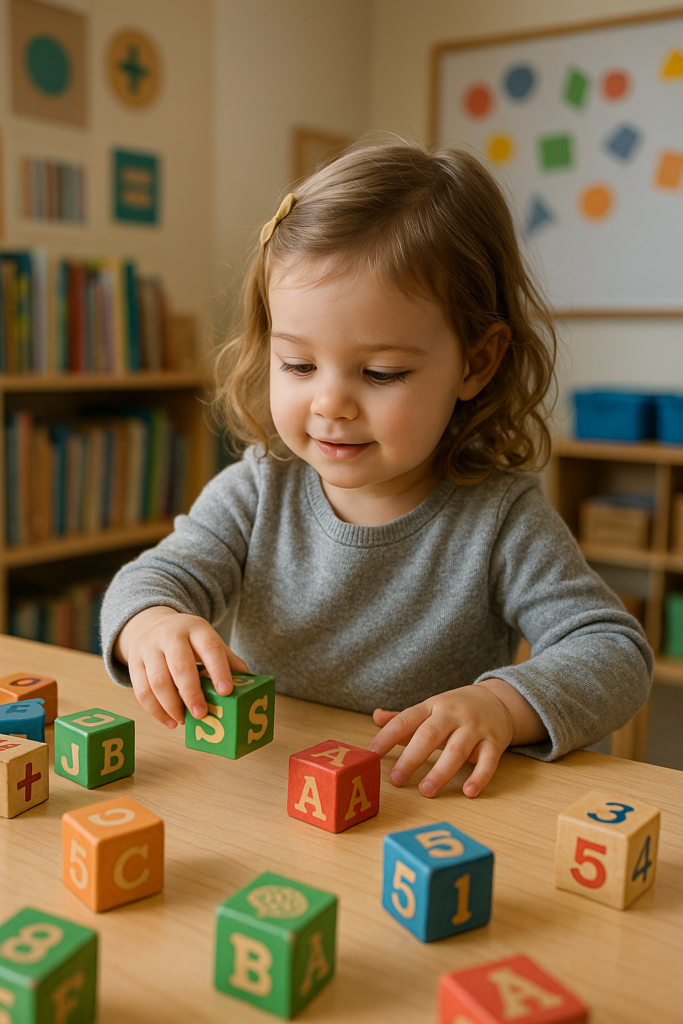
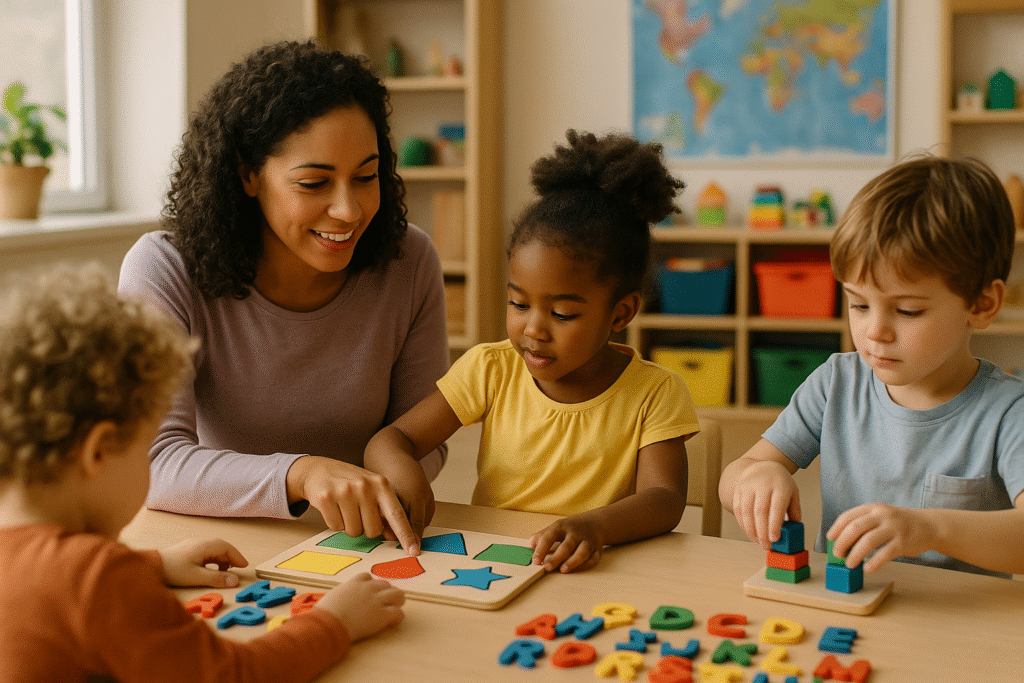
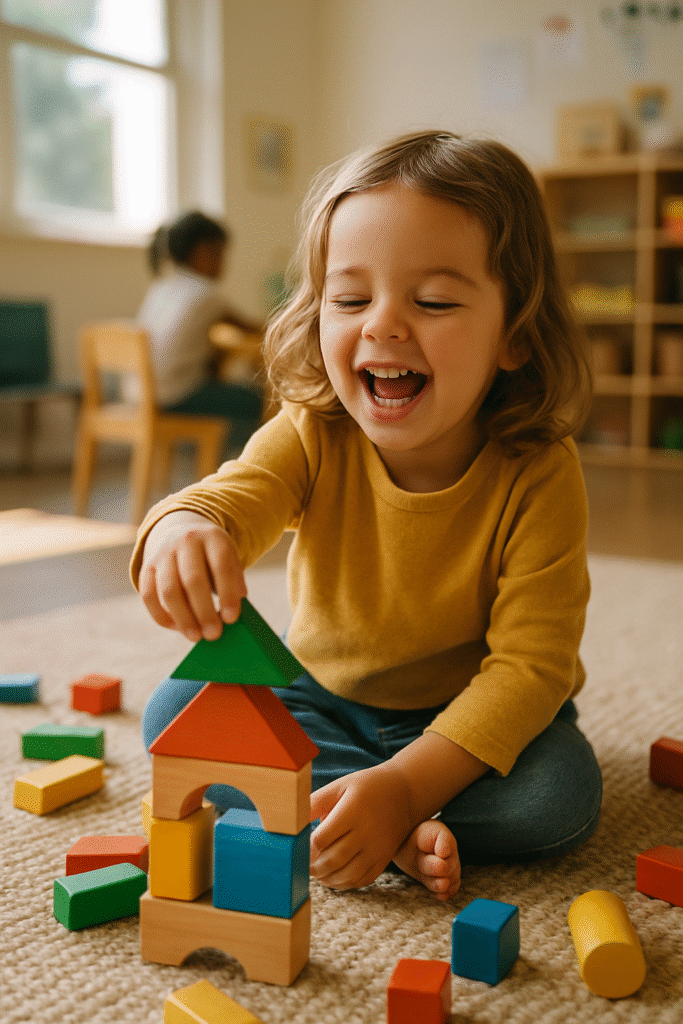
Reading Time: 3 minutesHey there, parents! Bryce here. You know that feeling when you walk into Believe Early Learning and see all those little ones just… doing their thing? Playing, laughing, making a mess? Yeah well, turns out there’s actually a method to all that beautiful chaos. Let me break down what really goes on in early childhood education these days. Because its not just finger painting and naptime anymore (though we still do those too!). ## **The Building Blocks: What We’re Really Doing** So here’s the thing – when your 3 year old is stacking blocks and they all come tumbling down? That’s not just play. That’s physics. Problem solving. Emotional regulation when they dont throw a fit about it. At places like Believe Early Learning, we’ve got activities sorted into different areas: ### **Language & Literacy Stuff** – Story time (obviously) but also acting out stories – Making up their own tales – you should hear some of these, they’re wild – Letter recognition through games, not boring flashcards – Singing. So. Much. Singing. Your kid will come home knowing songs you’ve never heard of – “Writing” – might look like scribbles to you but its the beginning of something big ### **Math (Yeah, Really)** Dont worry, we’re not doing calculus here. But we are: – Counting everything. Snacks, friends, steps to the playground – Sorting by colors, shapes, sizes – basically organizing chaos – Patterns with blocks, beads, even snack time crackers – Measuring stuff with non-standard units (like how many toy dinosaurs tall are you?) ## **The Social-Emotional Side** This is the big one, folks. Maybe bigger than academics at this age. We spend a LOT of time on: – **Taking turns** – harder than it sounds when you’re 4 – **Using words instead of hitting** when someone takes your favorite truck – **Recognizing feelings** – “I see you’re frustrated because…” – **Problem solving with friends** – watching kids negotiate who gets the pink crayon is like watching tiny diplomats ## **Physical Development Activities** Your kids need to move. Like, NEED to. So we do: ### **Big Body Stuff (Gross Motor)** – Running, jumping, climbing – controlled chaos on the playground – Dance parties (personal favorite) – Obstacle courses that would make American Ninja Warrior proud – Ball games where the rules change every 30 seconds ### **Little Hand Stuff (Fine Motor)** – Playdough sculptures – Bead threading (great for focus too) – Cutting practice with safety scissors – Pouring and scooping in sensory bins ## **Creative Expression** This is where things get messy. And magical. – **Art projects** that rarely look like what we planned – **Music exploration** – not just singing but making noise with instruments – **Dramatic play** – that kitchen area? Its a restaurant one day, a vet clinic the next – **Building and construction** – blocks, Legos, cardboard boxes become castles ## **Science & Discovery** Kids are natural scientists. We just give them the tools: – Nature walks where we collect leaves, rocks, questions – Simple experiments (baking soda volcanoes never get old) – Observing changes – planting seeds, watching ice melt – Asking “what if” and actually finding out ## **The Daily Rhythm** Heres what a typical day might include: **Morning Circle** – songs, calendar, weather, sharing news **Centers Time** – kids choose activities from different areas **Snack** – also a learning opportunity (counting, sharing, trying new foods) **Outdoor Time** – because energy needs somewhere to go **Story & Rest** – bodies need breaks too **Project Time** – focused activity, maybe art or science **Free Play** – child-directed exploration ## **Why It All Matters** Look, I know it might seem like organized chaos when you peek into an early learning classroom. But every single activity has purpose. When kids at Believe Early Learning are building with blocks, they’re learning engineering. When they’re negotiating who gets to be the mom in house play, they’re learning social skills theyll use forever. The best part? They think they’re just playing. They have no idea they’re learning math when they sort bears by color or developing pre-writing skills when they’re drawing “pictures” for you. Thats the magic of early childhood education. Its learning disguised as fun. And honestly? Watching these little humans discover the world… its pretty amazing. So next time you drop your kiddo off and see them immediately run to the dress-up corner or the block area, know that their “playing” is actually their work. Important work. The kind that builds brains and hearts and futures. And hey, if they come home covered in paint or glitter? That just means it was a really good day.

What types of activities are included in early childhood education? Read More »

How are early learning programs adapting to digital technologies?

Reading Time: 3 minutesLook, I’ll be straight with you – the world of early learning has gone through a massive shake-up these past few years. And honestly? It’s about time. I’ve been watching how programs like Believe Early Learning and others have been scrambling to keep up with tech, and let me tell you… some are doing it brilliantly. Others? Not so much. ## **The Real Deal With Digital in Early Learning** Here’s what’s actually happening on the ground: Teachers aren’t just throwing iPads at kids and calling it a day anymore. The good programs – the ones that get it – they’re being way more thoughtful. They’re asking the hard questions like “okay but WHY are we using this app?” and “what’s this actually teaching?” I talked to a teacher last week who told me she spent 3 hours vetting a single math app. THREE HOURS. Because she wanted to make sure it wasn’t just flashy colors and annoying sounds. That’s dedication. ## **What’s Working (And What’s Really Not)** **The wins:** – Interactive storytelling apps that let kids choose their own adventure – Video calls with experts and other classrooms around the world (mind-blowing for 4-year-olds) – Digital portfolios where parents can see their kid’s artwork and progress in real-time – Coding games that teach logic without kids even knowing they’re learning **The fails:** – Replacing outdoor time with screen time (please don’t) – Using tech as a babysitter while teachers do paperwork – Apps with zero educational value but lots of ads – Forgetting that little hands need to build with actual blocks sometimes ## **The Balance Everyone’s Trying to Strike** Here’s the thing – and this is important – technology isn’t the enemy. But it’s not the savior either. The best early learning centers I’ve seen lately? They treat digital tools like they’d treat any other tool in the classroom. A paintbrush isn’t inherently good or bad. Neither is a tablet. It’s all about HOW you use it. I watched a class last month where kids were using tablets to take photos of leaves they found outside. Then they used a simple app to learn the names of the trees. Then they went back outside to find more. See what I mean? Tech enhanced the real world experience. It didn’t replace it. ## **What Parents Actually Want** Let’s be real for a second. Parents are confused. Half of them want their kids to be “tech-ready” for the future. The other half are terrified of screen time. And you know what? They’re both right. What parents really want (based on hundreds of conversations I’ve had): – Their kids to be prepared for a digital world – But also to know how to hold a pencil – To see their child’s day without being helicoptery about it – Programs that use tech thoughtfully, not constantly – Teachers who actually understand the tech they’re using ## **The Future (It’s Already Here)** Augmented reality in preschool? It’s happening. Virtual field trips to the moon? Yep. AI-assisted learning that adapts to each kid’s pace? Already in some classrooms. But here’s my prediction… the programs that will thrive aren’t the ones with the fanciest tech. They’re the ones that remember why we’re doing this in the first place. To help little humans learn and grow. The best adaptation to digital technology? It’s not about having the latest gadgets. It’s about having teachers who know when to power up and when to power down. Who understand that sometimes the best app is no app at all. And who never forget that at the end of the day, early learning is about connection, creativity, and curiosity. Technology should amplify those things. Not replace them. ## **So What Now?** If you’re looking at early learning programs for your little one, here’s my advice: Ask about their tech philosophy. Not just what devices they have, but WHY they use them. How do they balance screen time with green time? What training do teachers get? The right program won’t just show you their shiny new tablets. They’ll show you how those tablets help kids explore the world – both digital and physical. Because that’s what adaptation really looks like. Not abandoning the old for the new, but finding ways to blend the best of both. And honestly? The kids are already there. They’re ready for this blend. Now it’s up to us adults to catch up. — *What’s your take? How do you feel about digital tech in early learning? Drop a comment below – I read every single one.*

How are early learning programs adapting to digital technologies? Read More »

How do early learning centers cater to children with special needs?

Reading Time: 2 minutesEvery parent wants their child to thrive. But when your little one has special needs, finding the right early learning center can feel… overwhelming. Trust me, I get it. I’ve spent years watching how the best centers make magic happen for *every* child. Not just the kids who fit neatly into boxes. And here’s what I’ve learned. ## **It Starts With The Heart** Forget the fancy equipment for a second. The best early learning centers? They lead with compassion. They see your child first – not their diagnosis. I remember visiting a center where a teacher spent twenty minutes just… sitting. Watching. Learning how one child communicated through gestures instead of words. That patience? That’s gold. ## **What Really Makes The Difference** Here’s what separates good centers from great ones: **Staff Training That Actually Matters** – Teachers who understand sensory processing (and why Tommy might need that weighted blanket) – Real knowledge about different communication styles – Ongoing education – because understanding evolves **Flexible Learning Spaces** – Quiet corners for when the world gets too loud – Movement areas for kids who think better while bouncing – Visual schedules that make the day predictable I’ve seen centers transform coat closets into calming spaces. Genius? Maybe. Necessary? Absolutely. ## **The Partnership Piece** Here’s something most people don’t talk about. The best centers don’t just work *with* your child. They work with YOU. And your child’s therapy team. And sometimes grandma who picks up on Tuesdays. They’ll ask questions like: – What works at home? – What are your child’s triggers? – How can we support your family’s goals? Because consistency between home and school? That’s when breakthroughs happen. ## **Small Things, Big Impact** Sometimes it’s the little adjustments that change everything: – **Visual supports** everywhere (pictures showing each step of handwashing? Life-changing for some kids) – **Sensory tools** readily available – fidgets, noise-canceling headphones, textured materials – **Modified activities** so everyone can participate (finger painting too messy? Try painting with brushes taped to toy cars) – **Peer support** programs that teach ALL kids about differences ## **What To Look For When You Visit** When you’re touring centers, watch for: **The Unspoken Stuff** – How staff react when a child melts down – Whether they have visual schedules posted – If they talk TO your child, not just about them – How other kids interact with children who learn differently Ask about their experience with IEPs and IFSPs. If they look confused? Keep looking. ## **The Bottom Line** Your child deserves a place where different isn’t less than. Where their unique way of experiencing the world is celebrated, not just tolerated. The right early learning center becomes part of your village. They celebrate the small wins (first time using the toilet! eating a new food! making a friend!) right alongside you. They understand that progress isn’t always linear. That some days are harder than others. And that every child – *every single child* – has incredible potential. Because here’s what I know for sure. When early learning centers get it right for kids with special needs? They get it right for everyone. Your child’s journey might look different. But it’s no less beautiful. *Find a center that sees that beauty too.*

How do early learning centers cater to children with special needs? Read More »

Why is early learning important for cognitive development?

Reading Time: 3 minutesLook, I\’ve been writing about kids and learning for… what, 20 years now? And if there\’s one thing I\’ve learned from all those years watching my own kids grow and talking to countless parents, it\’s this: **those early years matter more than you think.** Seriously. ## Your Kid\’s Brain is Like a Sponge (But Only For a While) You know how people say kids are like sponges? Well yeah, they are. But here\’s the thing nobody tells you – that sponge starts drying up faster than you\’d expect. Between birth and age 5, your child\’s brain is developing at a rate that\’ll never happen again. Never. I remember when my daughter was 3. She\’d ask me “why” about everything. And I mean **everything**. Why is the sky blue? Why do birds fly? Why can\’t I eat cookies for breakfast? (okay that last one was valid). But you know what? Each one of those questions was her brain making connections. Building pathways. ## It\’s Not Just About ABCs and 123s Here\’s what early learning really does: – **Problem-solving skills** – Ever watch a toddler figure out how to stack blocks? That\’s engineering in action – **Language development** – More words now = better communication forever – **Social skills** – Learning to share isn\’t just about being nice. It\’s about understanding others exist – **Emotional regulation** – This one\’s huge. Kids who learn this early don\’t become adults who lose it in traffic ## The Window Closes Faster Than You Think I hate to be the bearer of bad news but… you can\’t really make up for lost time here. Sure, kids can learn at any age. But the **foundation** – that gets built early or not at all. Think of it like building a house. You wouldn\’t start with the roof, right? Same thing with learning. Those early years are when we\’re pouring the concrete. ## What Actually Works (From Someone Who\’s Seen It All) Forget the fancy apps and expensive toys. Here\’s what actually matters: **Read to them.** Every. Single. Day. Even if it\’s the same book 47 times. Trust me. **Talk to them.** Not at them. To them. Big difference. **Let them play.** And I mean really play. Messy, creative, sometimes-drives-you-crazy play. **Get them around other kids.** This is where places like Believe Early Learning come in. Kids need other kids. Period. ## The Reality Check Look, I get it. Life\’s busy. Work\’s demanding. Sometimes you just need five minutes of peace. But here\’s what I tell every parent who\’ll listen – you\’ve got about 2,000 days from birth to kindergarten. That\’s it. 2,000 chances to set them up for success. And honestly? You don\’t have to be perfect. You just have to show up. ## Why This Matters Now More Than Ever The world our kids are growing up in? It\’s nothing like what we had. They need to be adaptable, creative, emotionally intelligent. All that starts with early learning. Not memorizing facts – but learning HOW to learn. I\’ve seen kids who had strong early learning experiences. They\’re the ones who adapt when things change. They\’re the ones who can work with others. They\’re the ones who don\’t fall apart when something\’s hard. That\’s what we\’re really talking about here. ## The Bottom Line Your kid\’s brain is doing its most important work right now. Not later. Now. Every story you read, every question you answer (even the 500th “why”), every moment they spend in quality early learning – it all adds up. Don\’t wait. Don\’t think you\’ll do it later. Later doesn\’t exist in brain development. Trust me on this one. I\’ve been around long enough to see the difference it makes. And if you\’re reading this, you\’re already ahead of the game. You care. That\’s half the battle right there. Now go read your kid a book. Even if it\’s that one about the truck. Again.

Why is early learning important for cognitive development? Read More »

What skills are emphasized in early childhood education?

Reading Time: 3 minutesHey there, parents! Bryce here. Let me tell you something — watching kids grow in early childhood education is like watching magic happen in real time. And trust me, I’ve seen a lot of it. ## **The Big Skills That Actually Matter** You know what’s funny? People always ask me what makes a great early learning center. It’s not the fancy toys or the perfect classroom setup (though those help). It’s about the skills they’re building in your little ones every single day. ### **Social Skills Come First** This is huge. HUGE. Kids need to learn how to: – Share without having a meltdown – Use their words when they’re frustrated – Make friends (and keep them!) – Work together on projects – Show empathy when someone’s sad I remember this one kid at Believe Early Learning who couldn’t share a single toy when he started. Six months later? He was organizing group games during playtime. That’s the power of good early education right there. ### **Independence (The Real Kind)** We’re not talking about teaching 3-year-olds to do their own taxes here. But things like: – Putting on their own jacket – Cleaning up after snack time – Making simple choices – Problem-solving when something’s tricky These little wins? They add up to confident kids. ## **The Academic Stuff That Matters** ### **Language and Communication** Forget drilling ABCs for hours. Real language development looks like: – Storytelling (even if it makes zero sense) – Asking “why” about EVERYTHING – Learning new words through play – Understanding instructions – Expressing feelings with words ### **Early Math Concepts** No, we’re not doing algebra with toddlers. But we ARE doing: – Counting everything (blocks, snacks, friends) – Recognizing patterns – Understanding “more” and “less” – Basic shapes and sizes – Simple sorting activities ## **The Skills Nobody Talks About (But Should)** ### **Emotional Regulation** This is the big one, folks. Teaching kids to: – Recognize their feelings – Calm down when upset – Use coping strategies – Bounce back from disappointment Because let’s face it — a kid who can manage their emotions is a kid who can learn anything. ### **Creativity and Imagination** Every cardboard box is a spaceship. Every stick is a magic wand. We need to nurture that! Creative play teaches: – Problem-solving – Flexible thinking – Self-expression – Confidence ## **Physical Development Matters Too** Don’t underestimate this stuff: – **Gross motor skills**: Running, jumping, climbing – **Fine motor skills**: Holding pencils, using scissors, buttoning shirts – **Body awareness**: Understanding personal space – **Healthy habits**: Washing hands, eating well ## **Why This All Matters** Here’s the thing — these skills aren’t just for preschool. They’re life skills. The kid who learns to share at 3 becomes the teammate everyone wants at 13. The child who can express their feelings at 4 becomes the adult who communicates well in relationships. Good early childhood education programs (like what they’re doing at Believe Early Learning) understand this. They’re not just babysitting. They’re building the foundation for everything that comes next. ## **What to Look For** When you’re checking out early learning centers, watch for: – Teachers who get down on kids’ level – Lots of hands-on activities – Time for free play AND structured learning – Emphasis on social-emotional development – Communication with parents about progress ## **The Bottom Line** Early childhood education isn’t about creating tiny geniuses. It’s about raising whole humans — kids who can think, feel, create, and connect with others. That’s where the real magic happens. And honestly? When you find a place that gets this (hint hint, Believe Early Learning), you’ll see the difference in your kid. Not just in what they know, but in who they’re becoming. Trust the process. These early years? They’re laying the groundwork for everything. — Bryce

What skills are emphasized in early childhood education? Read More »
What are the costs associated with early learning programs?

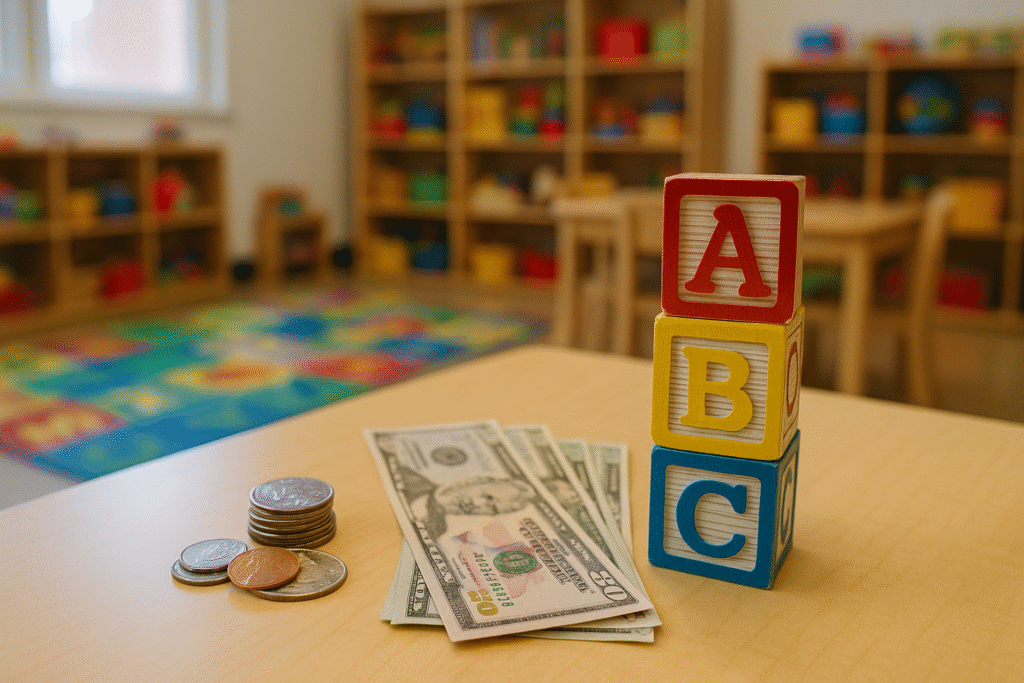
Reading Time: 3 minutesLook, I get it. You’re trying to figure out if you can afford quality early learning for your little one. As a parent myself, I remember lying awake at night crunching numbers, wondering if we could make it work. ## The Real Talk on Early Learning Costs Here’s what nobody tells you — the sticker price isn’t the whole story. Sure, you’ll see that monthly tuition number and maybe gulp a little (or a lot). But there’s more to consider. **Monthly tuition** is obviously your biggest expense. Around here, you’re looking at anywhere from $800 to $1,500+ per month for full-time care. Part-time? Maybe $500-900. And yeah, that’s… a lot. But wait, there’s more: – **Registration fees** (usually $100-300, sometimes waived during promotions) – **Supply fees** (art supplies, learning materials — expect $50-200 per semester) – **Meals and snacks** (some places include this, others charge extra) – **Late pickup fees** (trust me, you’ll hit traffic at least once) ## The Hidden Stuff That Adds Up Okay so here’s where it gets tricky. There are costs you don’t see coming: **Extra activities.** Field trips, special programs, that visiting music teacher — these usually cost extra. Maybe $20 here, $35 there. Doesn’t sound like much until you’re signing three permission slips in one month. **The sick day situation.** Your kid gets sick (they will). You still pay. The center closes for holidays. You still pay. Snow day? Yep, still paying. **Fundraisers.** Look, I know they say it’s “optional” but when little Madison is selling wrapping paper and your kid wants to participate… you’re buying wrapping paper. ## Ways to Make It Work Before you panic and decide to quit your job (been there), let me share some hope: **Sibling discounts** are real and they help. Usually 10-15% off for the second kid. **Tax credits** can be huge. The Child and Dependent Care Credit can give you back up to $3,000 for one child. Talk to your tax person about this — seriously. **Employer benefits.** Some companies offer dependent care FSAs. You use pre-tax dollars for childcare. It’s like getting a discount equal to your tax rate. **Sliding scale programs** exist at many centers. Don’t be too proud to ask. These programs want to help families who need it. ## The Part Nobody Talks About Here’s my honest take… sometimes the “expensive” program ends up being cheaper. How? Well, that bargain place might: – Close randomly for “teacher workdays” – Not include meals (now you’re packing lunch daily) – Have shorter hours (hello, babysitter costs) – Lack enrichment programs (so you’re paying for weekend classes) ## Making the Decision Look at your whole picture. Not just the monthly payment. Consider: **Your commute.** A place 20 minutes out of your way costs you in gas and time. **Your work schedule.** Does the program match when you actually need care? **What’s included.** Sometimes paying $200 more per month for a program that includes everything is actually cheaper. **Your peace of mind.** And I can’t stress this enough — being able to focus at work because you trust where your kid is? Priceless. ## The Bottom Line Yeah, early learning programs are expensive. I won’t sugarcoat it. You might need to adjust your budget, skip some dinners out, drive your car another year. But here’s what I’ve learned — good early education isn’t just babysitting. It’s an investment. In their social skills, their confidence, their love of learning. And honestly? In your sanity too. Call around. Ask questions. Tour places. Most importantly, ask about financial assistance. You might be surprised what’s available. And remember, you’re not just shopping for the cheapest option. You’re finding the right fit for your family and budget. You’ve got this. Even when it feels like you don’t.

What are the costs associated with early learning programs? Read More »

What role does play have in early learning?

Reading Time: 2 minutesLook, I’m gonna be straight with you. As a parent myself (and someone who’s watched way too many kids turn into tiny tornadoes at birthday parties), I’ve seen firsthand how play shapes our little ones. And honestly? It’s not just about keeping them busy while we sneak a coffee. ## **Play Is Their Job** You know how we adults go to work? Well, play IS work for kids. Seriously. When your three-year-old is building that wonky tower with blocks for the 47th time today… they’re actually: – Problem solving (“why does it keep falling?”) – Developing motor skills – Learning about gravity (even if they can’t spell it yet) – Building confidence And here’s the kicker – they don’t even KNOW they’re learning. That’s the magic. ## **The Science Bit (But I’ll Keep It Simple)** Okay so brain researchers – smart people with fancy degrees – they’ve found that play literally builds neural pathways. Think of it like this: every time your kid plays, they’re laying down tiny highways in their brain. More play = more highways = better thinking later on. But here’s what really gets me… **Kids who play more:** – Handle emotions better – Make friends easier – Solve problems creatively – Actually WANT to learn new things ## **Different Types of Play Matter** Not all play is created equal. And that’s okay! At Believe Early Learning, I’ve noticed they get this. They don’t just throw kids in a room with toys and hope for the best. **There’s:** – **Pretend play** – where your kid becomes a dinosaur doctor (crucial for imagination) – **Physical play** – running, jumping, climbing (builds strong bodies AND minds) – **Social play** – learning to share, negotiate, and not bite friends (hopefully) – **Quiet play** – puzzles, drawing, building (focus and patience) Each type hits different developmental areas. It’s like a workout routine for tiny humans. ## **What This Means for Your Kid** Here’s the thing parents always ask me: “But how do I know if my kid is playing ‘right’?” Short answer? If they’re engaged and happy, they’re doing it right. Long answer? Quality early learning centers (like the folks here) know how to: – Set up environments that invite exploration – Step back and let kids lead – Jump in when needed (but not too much) – Mix different play types throughout the day ## **The Bottom Line** Play isn’t just “fun time” before the “real learning” starts. Play IS the real learning. It’s how kids make sense of this crazy world. It’s how they figure out who they are, what they like, and how things work. And honestly? When I see a kid deeply absorbed in play – whether they’re pretending to be a superhero or carefully sorting rocks by size – I see a brain on fire with learning. That’s what good early education looks like. Not worksheets. Not sitting still. Not being quiet. Just… playing. Like kids are supposed to. — *Want to see play-based learning in action? Come check out what happens at Believe Early Learning. Trust me, it’s pretty amazing to watch.*

What role does play have in early learning? Read More »

How to choose the right early learning program for my child?

Reading Time: 2 minutesLook, I get it. Choosing an early learning program feels like one of those massive decisions that’ll somehow determine if your kid becomes a rocket scientist or… well, not. Deep breath. It’s gonna be okay. ## **Here’s What Actually Matters** Forget the fancy brochures for a sec. When you walk into a place like Believe Early Learning (or anywhere really), pay attention to how it *feels*. Seriously. Your gut knows things. I’ve been in hundreds of these places over the years, and the good ones? They have this energy. Kids are laughing—but not chaos laughing. More like engaged, happy laughing. Teachers aren’t just standing around; they’re down on the floor, actually participating. ## **Questions You Need to Ask (And Actually Get Answers To)** **About the teachers:** – How long have they been here? (High turnover = red flag) – What’s their approach when a kid melts down? – Do they seem… happy? Like genuinely? **About the program:** – Can my kid nap when they need to? Or is it rigid schedule city? – What happens on a typical day? (If they can’t explain it simply, run) – How do you handle discipline? (The answer better not make you cringe) **The money stuff:** – What’s included? Meals? Supplies? – Any hidden fees that’ll surprise me later? – What’s your sick policy? (Because kids are basically germ factories) ## **Red Flags That Should Send You Running** Okay, real talk time. If you see any of these, just… no: – They won’t let you observe or pop in unannounced – The place smells weird (trust me on this one) – Kids look bored or worse, scared – Staff seems overwhelmed or checked out – They promise your 3-year-old will be reading Shakespeare ## **What Your Kid Actually Needs** Here’s the thing—your kid doesn’t need baby Harvard. They need: **Safety first.** Both physical and emotional. Non-negotiable. **Play time.** Like, actual play. Not worksheets disguised as “fun.” **Teachers who give a damn.** Who notice when your kid’s having an off day. **Other kids to be weird with.** Social skills happen naturally when kids just… hang out. **A place that gets YOUR family.** Your values, your schedule, your budget. ## **Making the Final Call** Bring your kid for a visit. Watch how they interact with the space. Do they cling to your leg? Or do they kinda naturally start exploring? Kids are surprisingly good at picking up vibes. And here’s my biggest piece of advice: **trust yourself**. You know your kid better than any expert, any blog post (yes, even this one), any well-meaning relative. If a place checks all the boxes but something feels off? Keep looking. If a place is missing a few things on your list but feels absolutely right? That might be your answer. ## **One Last Thing** No place is perfect. Even the best programs will have days where you pick up your kid and they’re covered in paint, missing a shoe, and can only talk about how Tommy ate a bug at snack time. That’s… actually a pretty good day in early learning world. What matters is finding people you trust to care for your tiny human while you’re doing all the other life things. Places like Believe Early Learning get that—it’s not about creating mini-geniuses. It’s about giving kids a safe, fun place to be kids. And giving parents peace of mind? That’s worth everything. *Now go check out some programs. Ask the hard questions. Trust your gut. You’ve got this.*

How to choose the right early learning program for my child? Read More »

What are the differences between daycare and early learning centers?

Reading Time: 3 minutesLook, I get it. You’re standing there with your coffee getting cold, trying to figure out where to send your little one while you head to work. Daycare? Early learning center? Aren’t they basically the same thing? **Spoiler alert: They’re not.** And trust me, knowing the difference matters more than you might think. ## The Basic Breakdown Here’s the thing – both places will watch your kid. Both will keep them safe. Both will probably have snacks and naptime. But that’s kinda where the similarities end. **Daycare** is exactly what it sounds like. Care. During the day. It’s the place that makes sure your child is fed, clean, and not climbing the walls while you’re at work. **Early learning centers?** That’s a whole different ball game. We’re talking about actually preparing your kid for school. Like, real preparation. Not just learning to share toys (though that happens too). ## What Really Happens Behind Those Doors ### At a Typical Daycare: – Kids play. A lot. – There’s usually some structure, but it’s pretty loose – Staff makes sure everyone’s safe and happy – Maybe some basic activities like coloring or story time – Focus is on… well, getting through the day ### At an Early Learning Center: – **Actual curriculum.** Like, planned out weeks in advance – Teachers (yes, actual teachers) who know child development – Learning objectives for each age group – Progress tracking – you’ll know exactly what your kid is learning – Structured activities that build real skills ## The Staff Makes ALL the Difference Okay, this is huge. At daycare, you might have someone who loves kids and has some experience. That’s great! Really, it is. But at an early learning center? You’re looking at: – **Trained educators** with degrees in early childhood education – People who understand how little brains develop – Staff who know the difference between a 3-year-old having a bad day and actual developmental concerns – Teachers who can spot when your kid is ready for the next challenge ## Let’s Talk Money (Because Someone Has To) Yeah, early learning centers usually cost more. I’m not gonna sugarcoat it. But here’s what you’re paying for: – Smaller class sizes – Better trained staff – Educational materials and resources – Structured programs that actually prepare your kid for kindergarten – Peace of mind knowing your child is learning, not just existing ## The Age Thing Most daycares? They’ll take your kid from infant to school age. It’s convenient. Early learning centers often focus on specific age groups: – **Infants** (with developmental activities, not just diaper changes) – **Toddlers** (learning through play, but purposeful play) – **Preschoolers** (this is where the magic really happens) Each age group gets what they actually need developmentally. Not just “here’s some blocks, go nuts.” ## What Your Kid Actually Gets Out of It **From Daycare:** – Social interaction – Basic routine – Safe environment – Fun and games **From an Early Learning Center:** – School readiness skills – Letter and number recognition – Problem-solving abilities – Social AND emotional development – A real foundation for future learning – Confidence walking into kindergarten ## Making the Choice Look, I’m not here to shame anyone’s choices. Some families need daycare, and that’s perfectly fine. It serves a purpose. But if you’re looking for more than just childcare… If you want your kid to be **ready** for school, not just old enough for school… If you care about those crucial early years of brain development… Then an early learning center like Believe Early Learning might be what you’re after. ## The Bottom Line Your kid only gets one shot at these early years. Their brain is literally building itself right now. Every day matters. Daycare keeps them safe. **Early learning centers help them soar.** And honestly? Watching a kid discover they can read their first word or solve their first problem? That’s worth every penny. — *Still got questions? Come check us out. See the difference for yourself. Your coffee will definitely be cold by then, but your kid’s future will be looking pretty bright.*

What are the differences between daycare and early learning centers? Read More »

What age should children start early learning programs?

Reading Time: 3 minutesSo you’re wondering when to start your little one in an early learning program? Man, this is one of those questions that keeps parents up at night – trust me, I’ve been there. Here’s the thing… there’s no magic number that works for every kid. But after years of watching children grow and talking to countless families, I’ve noticed some patterns that might help you figure out what’s right for **your** child. ## The Sweet Spot (For Most Kids) Most experts – and honestly, most parents I know – agree that somewhere between **2 and 3 years old** is when kids really start benefiting from structured early learning. Why? Well: – They’re starting to play with other kids (not just next to them) – Their language is exploding – like seriously, one day they know 50 words, the next it’s 500 – They can handle being away from mom and dad for a bit – They’re curious about EVERYTHING But here’s what nobody tells you… some kids are ready earlier. Some need more time. And that’s totally okay. ## Signs Your Child Might Be Ready Forget the age for a second. Look at your kid. Really look at them. Are they: – **Interested in other children?** Like, do they light up when they see kids at the park? – **Able to communicate basic needs?** Doesn’t have to be perfect sentences. “Want water” counts! – **Showing some independence?** Maybe they’re trying to put on their own shoes (backwards, but still) – **Curious about learning stuff?** Asking “why” approximately 847 times a day? If you’re nodding along, your child might be ready – even if they’re not quite 3 yet. ## But What If They’re Not Ready? Look, I get it. There’s pressure. Your neighbor’s kid started at 18 months and is apparently already doing calculus (okay, maybe not, but it feels that way sometimes). Here’s what I tell parents: **pushing a child who isn’t ready does more harm than good**. Period. Some kids need until they’re 3 or even 4. Maybe they’re: – Still really attached to you (and that’s beautiful, by the way) – Not quite ready for the social stuff – Working through some developmental things at their own pace And you know what? That’s perfectly fine. Every single child has their own timeline. ## The Benefits When Timing Is Right When you hit that sweet spot – when your child is truly ready – man, it’s amazing to watch. They: – Make friends (real friends, not just the kid who has the toy they want) – Learn to share… eventually – Start problem-solving in ways that’ll blow your mind – Build confidence that’ll last a lifetime – Develop a love of learning that goes way beyond ABC’s ## My Advice? Trust Your Gut You know your child better than any expert, any blog post (yes, even this one), any well-meaning relative. If something feels off about starting now, wait. If your 2-year-old is practically begging to go to “school” like their big sister, maybe give it a try. Programs like Believe Early Learning understand this. Good programs work with you and your child’s unique needs. They’re not trying to force every kid into the same box. ## The Bottom Line Most kids thrive in early learning programs starting around age 2-3. But “most” doesn’t mean “all.” Your child might be ready at 20 months. They might need until they’re 3 and a half. Both are normal. Both are okay. What matters is finding the right fit when YOUR child is ready. Not when the parenting blogs say. Not when your mother-in-law insists. When your child is ready. Trust yourself. You’ve got this. — *Remember, early learning isn’t about creating baby geniuses. It’s about giving kids a safe, fun place to grow, learn, and just be kids. When the timing’s right, it’s one of the best gifts you can give them.*

What age should children start early learning programs? Read More »

Scroll to Top